 Martin Ramsey Painting and Home Improvement LLC
Identifying and Fixing Surface Imperfections
For anyone working on home or commercial renovations, dealing with plaster surfaces can be a common task. However, it is not without its challenges. From cracks to bubbles, these issues can be frustrating and impact the overall quality of your project. Understanding how to identify and fix these problems is crucial for maintaining the aesthetics and durability of walls and ceilings. By addressing each issue methodically, you ensure that surfaces remain smooth and visually appealing.
Why Surface Cracks Occur
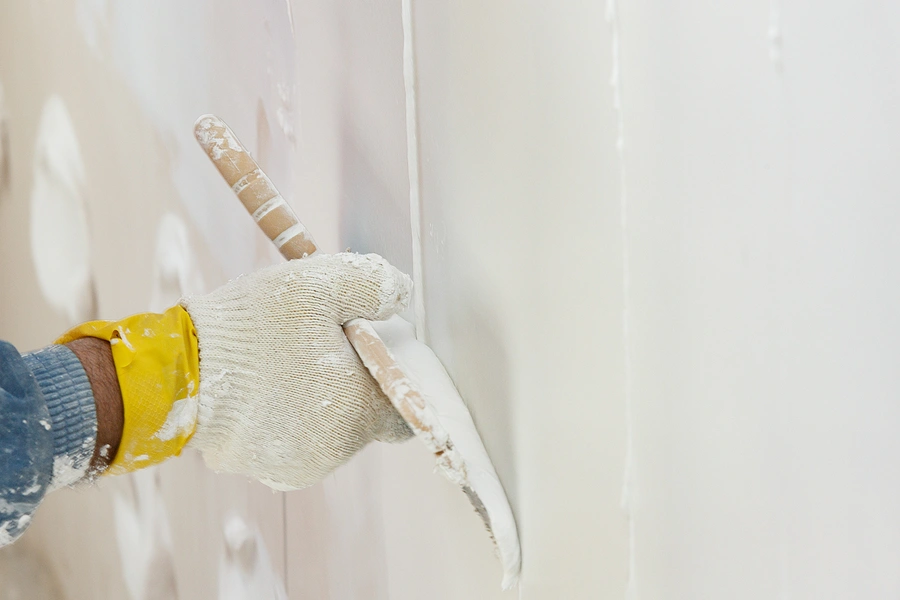
Surface cracks are one of the most frequent problems encountered in plastering. These cracks often appear due to improper application techniques or environmental factors such as humidity. When the plaster dries too quickly, it can lead to cracking. This typically happens when there is inadequate moisture control during the application process. To prevent this, it’s essential to apply plaster evenly and allow sufficient drying time under controlled conditions.
The Problem of Bubbling
Bubbling can occur when air pockets get trapped beneath the surface layer during the application process. Plastering should always begin with a clean base; removing any dust or debris is key to preventing bubbles from forming. To address bubbling, gently sand down the affected area and reapply a thin coat of plaster, ensuring no air remains trapped underneath.
Tackling Uneven Surfaces
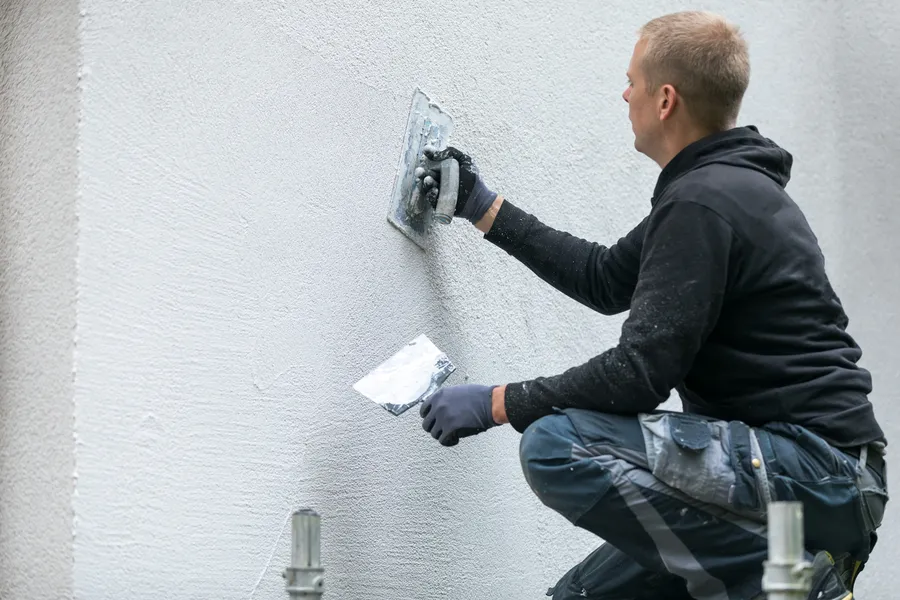
Uneven surfaces are another common issue that arises when different layers of plaster do not bond correctly. This might happen if each layer is not allowed to dry completely before adding the next one. During plastering, it’s important to ensure each layer is fully cured. If unevenness occurs, sanding the area and applying an additional coat can help achieve a smooth finish.
Dealing With Discoloration
Discoloration often results from mixing inconsistencies or incorrect drying conditions. It can make walls look patchy or aged prematurely. To fix discoloration, apply a primer before painting, which helps even out the tone. Ensuring that plaster mix is consistent and free from impurities also prevents color irregularities.
Preventing Adhesion Problems
Adhesion problems usually arise due to contaminants on the wall surface or insufficient preparation. Before starting plaster work, it’s vital to clean the surface thoroughly and check for any oil or grease residues. Using a high-quality bonding agent also ensures better adhesion between new plaster layers and existing surfaces.
The Importance of Moisture Control
Moisture control plays a critical role in preventing many plaster-related issues. Excessive moisture can lead to mold growth and weaken the structural integrity of plastered surfaces. Proper ventilation in the workspace is necessary, along with using dehumidifiers if needed to maintain optimal conditions while plaster sets.
Choosing Quality Materials
Using quality materials is crucial for avoiding common plastering problems. Low-grade materials may not only reduce the lifespan of your work but also compromise its appearance. Opt for trusted brands known for their durability and reliability to ensure long-lasting results.
- Select materials from reputable manufacturers
- Ensure all products meet industry standards
- Regularly inspect tools for wear and tear
Your Go-To Solution Partner
In Southfield, MI, expert services are readily available to assist with your needs. Whether you’re facing minor imperfections or major renovations, our team at Martin Ramsey Painting and Home Improvement LLC is here to provide comprehensive solutions tailored to your specific requirements. For more information on how we can help improve your spaces, contact us today at (248) 757-0767. We look forward to supporting your projects with quality workmanship and expert guidance.